Abstract
The worldwide Anglican movement is currently navigating a period of profound demographic shift and structural realignment. By applying the 4C leadership framework (Competence, Character, Commitment, and Consciousness) in tandem with the 8-point E-Consciousness model (Eliminate, Exchange, Energise, Empathy, Encourage, Esteem, Endure, and Eternal), this paper evaluates the Communion’s global role, impact, and current state in 2026. The analysis identifies systemic vulnerabilities between the historically dominant Western provinces and the rapidly expanding Global South. Strategic imperatives are outlined to help ecclesiastical leadership manage doctrinal disputes and avert irreversible schism.
1. Introduction
As the third-largest Christian communion globally, the Anglican movement is experiencing a historic transition. The demographic and theological center of gravity has shifted decisively to the Global South, yet the historical Instruments of Communion remain structurally anchored in the West. This imbalance has generated significant friction over doctrinal authority and cultural accommodation. Utilizing specialized behavioral and psychological frameworks, this paper provides a systemic diagnosis of the Communion, highlighting how structural integrity might be preserved.
2. Theoretical Frameworks
2.1 The 4C Leadership Model
Navigating institutional crisis requires a multidimensional leadership paradigm. The 4C framework establishes four pillars essential for ecclesiastical stability:
Competence: The administrative and theological acumen required to navigate complex global realignments and draft covenantal agreements.
Character: The moral integrity and orthodox fidelity necessary to build trust across deeply divided provinces.
Commitment: The steadfast dedication to preserving the historic formularies (e.g., the 39 Articles, the Book of Common Prayer) amidst modern sociological pressures.
Consciousness: A comprehensive awareness of the shifting global landscape, acknowledging the necessity of rebalancing influence to reflect demographic realities.
2.2 The 8-Point E-Consciousness Model
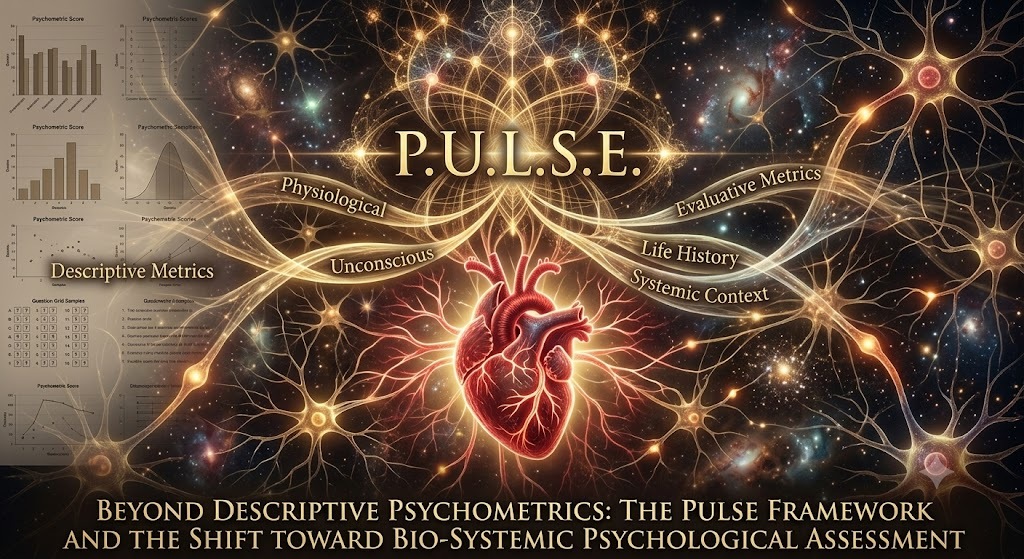
To accurately evaluate the institutional health and systemic awareness of the Anglican movement, the 8-point E-Consciousness model measures organizational cognition through eight distinct operational vectors:
Eliminate: The necessity of removing toxic structural imbalances, neo-colonial administrative habits, and theological deviations that threaten unity.
Exchange: The mutual sharing of perspectives, requiring genuine dialogue where power and influence are equitably transferred.
Energise: The revitalization of global mission, driven primarily by the spiritual dynamism and demographic growth of African, Asian, and South American provinces.
Empathy: The capacity to understand differing socio-political realities and provide contextualized pastoral care without compromising doctrine.
Encourage: The intentional uplifting of marginalized voices and the support of orthodox reform movements striving for theological clarity.
Esteem: The mutual respect for the dignity of global partners and the veneration of shared historical traditions.
Endure: Institutional and spiritual resilience amidst schismatic pressures and prolonged theological battles.
Eternal: The overarching focus on the transcendent, eschatological mission of the Church over temporal, localized political disputes.
3. Evaluating the Global Role and Impact
Historically, the Anglican movement has operated as a profound force for global education, missiology, and socio-political stability. Through the lens of the E-Consciousness model, the Global South has successfully utilized the Energise vector, translating historic Anglicanism into a vibrant, rapidly expanding fellowship. These provinces actively Encourage indigenous leadership and Esteem local expressions of faith.
Conversely, the global impact of Western provinces is currently hindered by a failure in Exchange. The historical mechanisms of the Communion have allowed a minority of Western provinces to exert disproportionate influence. This structural bottleneck restricts the Communion's broader missional impact, forcing orthodox provinces to redirect resources from global outreach toward internal theological defense.
4. Current State (2026): Fragmentation and Reordering
The Communion is currently characterized by a dual path of structural evolution, driven by the tension between orthodox fidelity and cultural revisionism.
Institutional Strain: Movements such as the Global Fellowship of Confessing Anglicans (GAFCON) and the Global South Fellowship of Anglicans (GSFA) highlight a pressing need to Eliminate what they perceive as theological drift within historical centers. For GAFCON, this boundary-setting was foundationalized in the 2008 Jerusalem Declaration, which provided a definitive confessional standard of orthodox Anglican identity designed to categorically reject modern doctrinal revisions. Building upon this need for structural integrity, the GSFA introduced the Cairo Covenant (2019), transitioning from a loose fellowship to a covenanted body bound by strict mutual accountability. Together, the Jerusalem Declaration and the Cairo Covenant function as strategic, faith-guarding instruments designed to Eliminate doctrinal ambiguity and protect the communion from unilateral innovations, thereby ensuring the Eternal tenets of the historic faith are preserved.
Covenantal Reordering: Demonstrating strong Competence and Commitment, the GSFA has pursued structural reordering via instruments like the Cairo Covenant. This represents a sophisticated attempt at an equitable Exchange of structural authority, aiming to reform the Communion from within through mutual accountability.
Transcendent Focus: Amidst bureaucratic disputes, the most rapidly growing provinces demonstrate a high capacity to Endure by maintaining their focus on the Eternal. By prioritizing evangelism and orthodox teaching over institutional politics, these regions ensure the Anglican identity survives, even if its traditional governance structures falter.
5. Critical Matters to Watch: Preventing a Total Splinter
To prevent the Anglican movement from fracturing into non-communicating denominations, leadership must apply the integrated insights of both the 4C and E-Consciousness frameworks:
Equitable Restructuring (Exchange & Esteem): Proposed reforms to the Instruments of Communion must move beyond symbolic gestures. True Consciousness requires recognizing the Global South's demographic dominance. Western leadership must Esteem these provinces by establishing proportional representation and allowing structural authority to flow southward.
Managing Boundary Interventions (Empathy & Character): As orthodox groups provide alternative oversight for faithful Anglicans in revisionist provinces, boundary violations will become more frequent. Leadership must employ profound Empathy and high Character to negotiate these transitions pastorally. Punitive measures against orthodox whistleblowers will only accelerate schism.
Theological Clarity (Eliminate & Eternal): A diverse global communion cannot survive on structural ambiguity. The Communion must clarify its foundational tenets, showing the Commitment to Eliminate irreconcilable doctrinal contradictions while refocusing the body on its Eternal mandate.
Positive Vision (Energise & Encourage): The movement must define itself by what it affirms rather than solely by what it opposes. A constructive theological vision that seeks to Energise the laity and Encourage unified global mission is essential for long-term cohesion.
5. The Sri Lankan Context: The Church of Ceylon’s Path to Provincial Autonomy
The Church of Ceylon is currently navigating its own structural evolution, aiming to transition from an extra-provincial jurisdiction (directly under the Metropolitan oversight of the Archbishop of Canterbury) into a fully autonomous, self-governing Province of the Anglican Communion. This ambition represents a microcosm of the wider global recalibration. Applying the leadership and behavioral frameworks to this specific transition reveals critical challenges and expectations for the Sri Lankan context:
1. Internalizing Authority (Eliminate & Exchange)
Historically, the Church of Ceylon’s extra-provincial status has tethered it directly to the Church of England. Attaining provincial autonomy is a structural mechanism to Eliminate the last vestiges of neo-colonial ecclesiastical dependence. This transition requires a profound Exchange of power—transferring primatial and appellate authority from Canterbury to a newly elected Sri Lankan Primate. To achieve this, local leadership must demonstrate high administrative Competence in establishing independent synodical governance and managing the potential creation of new dioceses necessary to meet standard provincial requirements.
2. Navigating the Global Divide (Commitment & Character)
As an extra-provincial body, Sri Lanka’s alignment with Canterbury was structurally mandated. As an independent Province, however, the Church of Ceylon will be forced to make its own deliberate choices regarding global alignment. The Sri Lankan church will face intense pressure to define its theological posture: Will it align with the orthodox mutual accountability of the Cairo Covenant and the GSFA, or will it remain strictly aligned with the historical, Canterbury-led structures? The newly autonomous leadership will require immense Character and Commitment to articulate a clear, orthodox theological stance that resists the ambiguity often resulting from historical loyalties or external financial pressures.
3. Contextual Missiology (Empathy & Eternal)
The danger of any structural reordering is that it can become a purely bureaucratic exercise. As the Church of Ceylon pushes for autonomy, it must employ Empathy to ensure that debates over Anglican identity do not alienate its congregants or distract from the pressing socio-economic realities in Sri Lanka. The transition must Energise the local laity rather than fracturing them over global ecclesiastical politics. Ultimately, the drive for provincial status must be clearly linked to the Eternal—equipping an autonomous Sri Lankan church to more effectively witness and serve within a predominantly Buddhist, pluralistic society.
What to Expect in the Short to Medium Term:
Increased Internal Debate: Expect heightened internal theological and administrative friction. Debates will likely arise over who will serve as the first Primate and how to financially sustain an autonomous provincial structure.
Targeted Outreach from Global Factions: Both the Canterbury-led communion instruments and orthodox bodies like the GSFA will likely increase their engagement with the Church of Ceylon, recognizing that a newly minted Province represents a strategic ally in the broader global realignment.
Theological Boundary Setting: To successfully integrate into the Global South's rising influence, the newly autonomous Church of Ceylon may be expected to issue its own confessional statements, defining its stance on the authority of Scripture and historic formularies to reassure orthodox allies.
7. Conclusion
The worldwide Anglican movement is undergoing a painful but necessary recalibration. By analyzing the landscape through the 4C and 8-point E-Consciousness models, it is evident that historical institutional loyalty is no longer sufficient to bind the fellowship. To prevent an irreversible splinter, ecclesiastical leaders must demonstrate the Character and Competence to enact structural reforms that honor the global reality of the Church. By learning to Eliminate colonial imbalances, facilitate genuine Exchange, and maintain an unwavering focus on the Eternal, the Communion can emerge as a more resilient and unified global force.
References
Anglican Consultative Council. (2026). Proposals for Structural Reform within the Global Fellowship.
Global Anglican Future Conference (GAFCON). (2025). The Global Anglican Communion Declaration.
Global South Fellowship of Anglicans (GSFA). (2024). The Cairo Covenant and the Future of Anglican Unity.
Madurasinghe, L. (2026). The 4C Framework of Leadership: Competence, Character, Commitment, and Consciousness.
Madurasinghe, L. (2026). The 8-Point E-Consciousness Model: Eliminate, Exchange, Energise, Empathy, Encourage, Esteem, Endure, and Eternal.
Radner, E. (2023). The End of the Anglican Communion? Navigating Theological and Structural Crisis.